
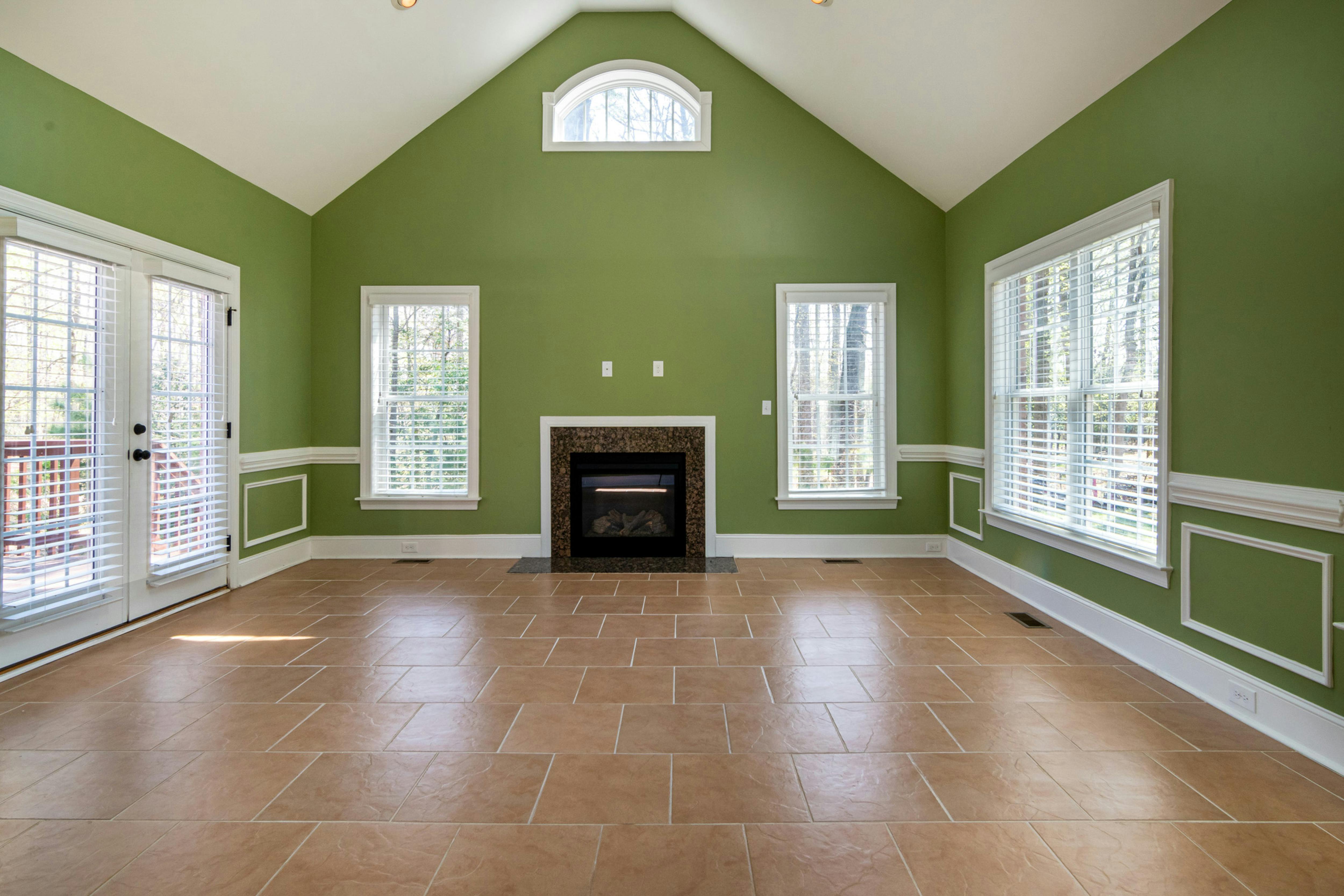
Floor tiles play a major role in both the appearance and practicality of a home. The right choice can make a room feel larger, warmer, brighter, or more refined, while also improving durability and ease of maintenance. With so many materials, finishes, and styles available, choosing the best floor tiles for each room requires more than simply picking a design that looks attractive.
Different areas of the home have different demands. Kitchens deal with spills and heavy foot traffic, bathrooms need moisture resistance, and living spaces often require a balance between comfort and style. Exploring quality collections from Go Tiles can help homeowners compare practical and aesthetic options suited to every part of the house.
Understanding the Importance of Room Function
Before selecting tiles, it is important to think about how each room is used. Floor tiles should support the space’s everyday activities while complementing the overall interior style.
A busy family kitchen may benefit from durable porcelain tiles that resist stains and scratches. In contrast, a bedroom might prioritise warmth, texture, and visual comfort over heavy-duty performance. Considering both lifestyle and maintenance needs helps narrow down the most suitable options.
Natural light also affects how tiles appear. Glossy finishes can reflect light and brighten smaller spaces, while matte surfaces often create a softer and more relaxed atmosphere.
Best Tile Choices for Kitchens
Kitchens are one of the most demanding rooms in any home. The flooring must cope with regular movement, dropped utensils, food spills, and frequent cleaning.
Porcelain tiles are often considered one of the best choices for kitchens because they are dense, water-resistant, and highly durable. They also come in a wide variety of finishes that mimic stone, wood, or concrete.
Neutral tones remain popular because they create a timeless look and work well with changing décor styles. Grey, beige, and warm stone shades continue to suit both modern and traditional kitchens.
Larger tiles can also help kitchens appear more spacious by reducing visible grout lines and creating a cleaner visual flow.
Choosing Tiles for Bathrooms
Bathrooms require tiles that can handle constant exposure to moisture and humidity. Slip resistance becomes especially important in family bathrooms or wet rooms.
Textured or matte porcelain tiles are often preferred because they provide better grip underfoot. Smaller tiles can also improve safety since additional grout lines increase traction.
Light-colored tiles remain a popular bathroom choice because they help smaller spaces feel more open and airy. Soft marble-effect designs, natural stone finishes, and calming neutral palettes continue to work well in contemporary bathroom interiors.
Consistency between wall and floor tiles can also create a more seamless appearance, particularly in compact bathrooms.
Living Room Flooring Considerations
Living rooms usually focus more heavily on style and comfort. Tiles in these spaces should feel welcoming while still offering long-term practicality.
Wood-effect porcelain tiles have become increasingly popular because they combine the appearance of natural timber with the durability and low maintenance of tile flooring. They suit a wide range of interiors, from minimalist homes to more traditional settings.
Stone-effect tiles can also create a sophisticated atmosphere, especially in open-plan living spaces. Larger formats often work particularly well because they provide a smooth and uninterrupted finish.
Underfloor heating is another factor worth considering in living rooms with tiled flooring, as it can improve comfort during colder months.
Hallways and Entrance Areas
Hallways experience some of the highest foot traffic in a home. Dirt, moisture, and outdoor debris are regularly brought inside, meaning durability should be a top priority.
Porcelain tiles again stand out as a practical option because they are highly resistant to wear. Darker shades or patterned designs can also help disguise dirt between cleaning sessions.
Entrance areas are often the first part of a home that visitors see, so flooring can strongly influence first impressions. Geometric patterns, stone finishes, and large-format tiles can all help create a stylish and welcoming entrance.
Bedroom Tile Options
Although carpets are traditionally common in bedrooms, floor tiles are becoming more popular due to their modern appearance and ease of maintenance.
Wood-look tiles are particularly effective in bedrooms because they create warmth visually while remaining durable and easy to clean. Pairing tiles with rugs can soften the space and add extra comfort.
Bedrooms generally benefit from softer colour palettes, including warm neutrals, light oak tones, and muted greys. Matte finishes also help create a calm and restful atmosphere.
Balancing Style and Practicality
One of the biggest mistakes homeowners make is prioritising appearance over maintenance and durability. A beautiful tile may not always be suitable for every environment.
When selecting floor tiles, it is useful to consider:
- Water resistance
- Slip resistance
- Ease of cleaning
- Durability
- Compatibility with underfloor heating
- Long-term style appeal
Balancing these practical features with visual preferences leads to better long-term satisfaction.
Conclusion
Choosing the right floor tiles for every room involves striking a balance among practicality, durability, and design. Each area of the home has unique requirements, and selecting suitable materials can improve both functionality and overall appearance.
From moisture-resistant bathroom tiles to durable kitchen flooring and stylish living room finishes, thoughtful tile choices can completely transform how a home looks and feels. By considering lifestyle needs alongside aesthetics, homeowners can create spaces that remain attractive, comfortable, and practical for many years.

