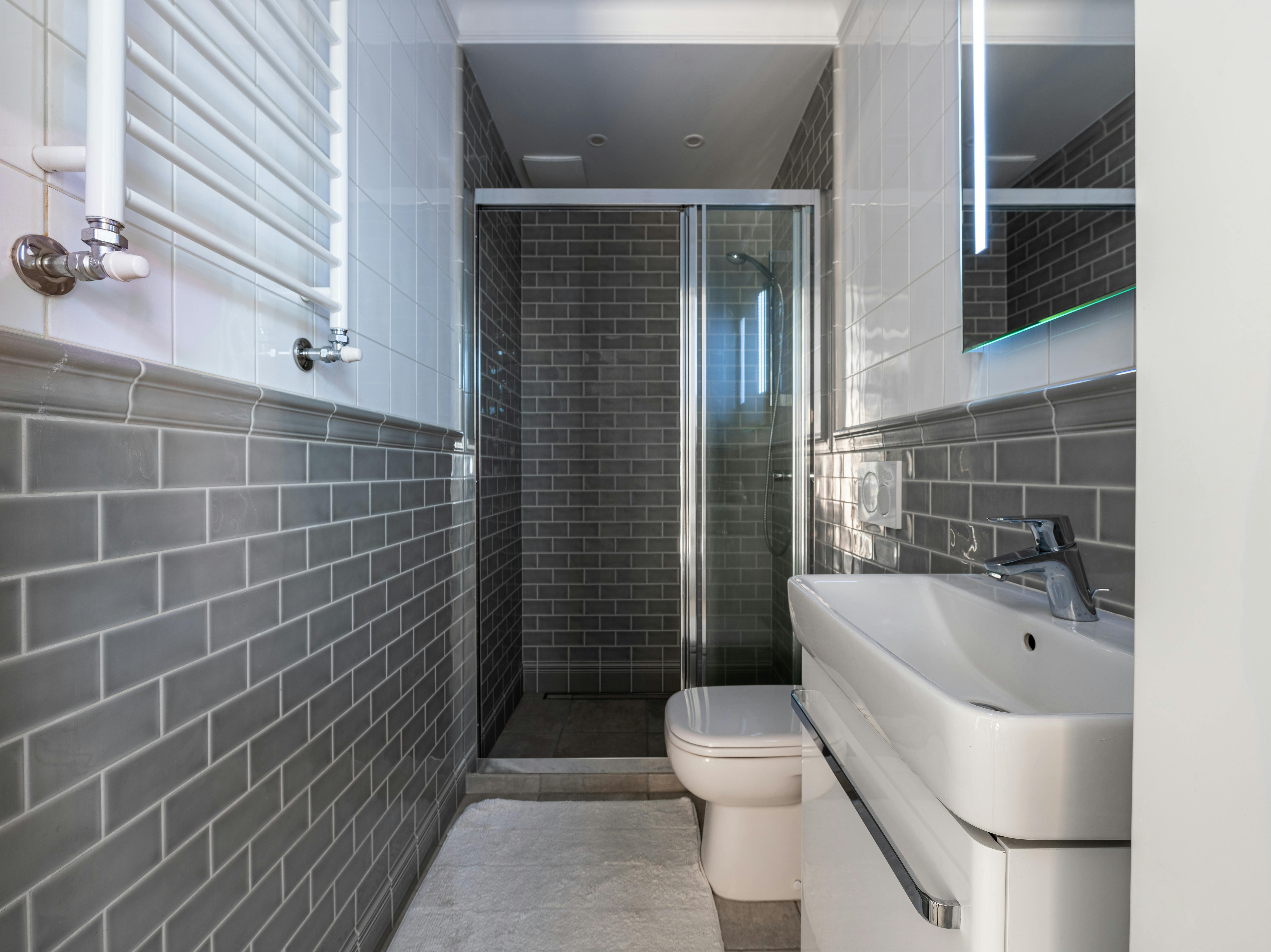
A well-designed bathroom needs to do more than look good. It should also make everyday routines easier, provide enough space for essentials and stay reasonably organised without requiring constant effort. This can be particularly challenging when storage has to fit around a compact layout, awkward corners or a busy household. The answer is to treat storage as part of the design from the beginning rather than adding cupboards and shelves once everything else has been decided.
When planning a Fully Fitted Bathroom, storage can be considered alongside the basin, shower, bath, tiles and other features, helping the finished room feel cohesive rather than pieced together. With careful planning, practical storage can become one of the features that gives a bathroom its character.
Begin With What the Bathroom Actually Needs
Before choosing storage furniture, take a realistic look at what needs to be kept in the room. A bathroom used by several people may need space for towels, toiletries, cleaning products and everyday grooming items, while a smaller en-suite may require much less.
It is also useful to separate the things you use every day from those that only need occasional access. Toothbrushes, skincare products and shower essentials should be easy to reach, while spare toiletries, extra towels and cleaning supplies can be stored somewhere less prominent.
This simple distinction can help prevent the bathroom from becoming overloaded with furniture. Instead of trying to find storage for everything imaginable, the aim should be to create enough space for the items that genuinely belong there.
Make Use of the Space Around the Basin
The area around the basin is often one of the most useful places for bathroom storage. A vanity unit can combine a basin with drawers or cupboards, giving you somewhere to keep everyday essentials without adding another piece of furniture.
The style of the unit can also influence the character of the room. A streamlined design can work well in a contemporary bathroom, while natural finishes or more traditional detailing can create a warmer appearance.
Think about the depth of the unit as well as its width. In a smaller bathroom, choosing a shallower design may preserve valuable walking space while still providing useful storage.
Look Upwards When Floor Space Is Limited
Bathrooms often have more available wall space than floor space, making vertical storage a sensible option. Tall cabinets, wall-mounted cupboards and shelving can provide additional capacity without making the floor feel crowded.
A wall-mounted cabinet can also create a more open appearance because the floor remains visible beneath it. This can be particularly helpful in smaller rooms where every clear section of flooring contributes to the sense of space.
However, avoid covering every available wall with storage. A mixture of open space and useful furniture will generally create a calmer appearance than a room where every surface is occupied.
Consider Recessed Storage
Recessed storage can be particularly effective when planning a bathroom renovation because it can be incorporated into the structure of the room. A recessed shelf in a shower area, for example, provides a convenient place for shampoo, shower gel and other essentials without requiring a freestanding caddy.
The same principle can work around the basin or bath, depending on the layout and construction of the room. Recessed areas can keep surfaces clearer and help storage blend into the surrounding design.
This type of solution does require proper planning, particularly where plumbing, electrical services or structural elements are involved. It is therefore worth considering before installation work begins rather than trying to add it later.
Choose Storage That Complements Your Materials
Storage doesn’t exist separately from the rest of the bathroom. Its colour, finish and proportions can either support the overall design or make the room feel visually disjointed.
For example, furniture in a soft neutral shade can complement similarly toned wall tiles, while a wood-effect finish can introduce warmth into a room dominated by stone or ceramic surfaces. Handles and other hardware can also be coordinated with taps and shower fittings to create a more consistent look.
This doesn’t mean every element needs to match perfectly. In fact, subtle differences in texture and finish can add depth. The important thing is to make sure the different choices feel intentional when viewed together.
Keep Everyday Items Within Easy Reach
Good storage should make life easier, not create another obstacle. Items that are used every morning should ideally be close to where they are needed.
For example, grooming products can be kept around the basin, while shower products can remain within the shower area. Towels should be easy to reach without having to cross the room with wet hands or feet.
This approach also reduces the temptation to leave products on worktops or the floor. When everything has an obvious place, maintaining a tidy bathroom becomes much simpler.
Use Open Storage Carefully
Open shelving can add personality to a bathroom and provide a place to display neatly folded towels, baskets or a few decorative items. It can also make the room feel less enclosed than a wall filled entirely with cupboards.
The downside is that open storage can quickly look untidy. If too many bottles, boxes and everyday products are left on display, the bathroom may lose the calm appearance you’re trying to create.
Use open shelving selectively and reserve it for items that you’re happy to keep visible. Baskets can also help group smaller products together while keeping the overall appearance organised.
Don’t Forget Hidden Storage
Not everything needs to be on display. Concealed storage is particularly valuable for cleaning products, spare toiletries and other less attractive essentials.
A combination of drawers, cupboards and mirrored cabinets can keep these items accessible without allowing them to dominate the room visually. This balance between open and concealed storage can help the bathroom feel both practical and polished.
Think About Cleaning and Maintenance
Storage choices should also make the bathroom easy to maintain. Furniture with accessible surfaces and sensible spacing can make cleaning less awkward, while avoiding unnecessary ledges and complicated details can reduce places where dust and moisture accumulate.
Wall-mounted furniture can make it easier to clean the floor underneath, while closed storage can keep everyday clutter contained. These practical details may not be the first things you notice when designing a bathroom, but they can make a significant difference over time.
Let Storage Become Part of the Style
The best bathroom storage doesn’t look like an afterthought. It feels like a natural part of the room, working alongside the tiles, sanitaryware, lighting and accessories.
By planning storage early, using vertical and recessed areas intelligently, and choosing furniture that complements the wider design, you can create a bathroom that feels organised without sacrificing personality. The result is a space where everything has its place, yet the room still feels comfortable, stylish and inviting.